In 2016, Shein had revenues of $610 million. By 2023, it exceeded $32 billion. In parallel, Temu went from zero in September 2022 to a gross merchandise volume (GMV) of $15 billion in 2023 — and reached $21.6 billion in just the first half of 2024. TikTok Shop, which began as a small button within viral videos, closed 2024 with an estimated GMV of $33 billion.
Together, these three Chinese platforms move more than $80 billion per year in international sales. For perspective: that is more than the GDP of Uruguay. And Brazil is at the center of this expansion.
Shein: the fastest fashion factory on the planet
Shein was born in Nanjing in 2008 as a website to sell wedding dresses to the American market. The founder, Chris Xu, was an SEO — search engine optimization — specialist and understood before anyone else that Google could be the showcase window for a Chinese clothing store.
In the early 2010s, the company shifted to general women's fashion and settled in Guangzhou, China's largest textile manufacturing hub. There, Xu built a proprietary supplier management system that connected hundreds of small factories directly to the platform. The model is simple and brutal: Shein publishes trends detected by algorithms, the factories produce minimum lots of 100 to 200 pieces, and if the product sells, it scales. If it doesn't sell, it dies right there.
The result is a machine that adds an average of 2,000 new products to the catalog per day. For comparison, Zara launches about 500 models per week. H&M, even fewer.
In numbers: Shein's revenue jumped from $3.15 billion in 2019 to $9.81 billion in 2020 (the pandemic pushing everyone to online shopping), reaching $22.7 billion in 2022 and $32.5 billion in 2023 — a 43% year-over-year growth. Net profit was approximately $2 billion in 2023. The company has 88.8 million active buyers, of which 17.3 million are in the United States.
The app was downloaded 238 million times in 2023, becoming the world's most downloaded fashion app. In Brazil, Shein consistently ranks in the top 3 of shopping apps on the App Store and Google Play.
The company was valued at $100 billion at the start of 2022, fell to $64 billion in 2023, and in 2024 sought an IPO in London with an estimated valuation of $68 billion. The process faced regulatory resistance in the United Kingdom over labor issues in the supply chain.
Temu: Pinduoduo goes global
If Shein is fast fashion, Temu is everything fast. Launched in the United States in September 2022, Temu is the international arm of Pinduoduo (PDD Holdings), China's third-largest e-commerce company, with revenues of $34.8 billion in 2023.
Pinduoduo's model in China was already known as "group buying" — the more people buy the same product, the lower the price. For the international market, Temu simplified: factory prices, subsidized shipping, and a barrage of coupons that make the first purchase almost irresistible.
A knife sharpener that costs $12 on Amazon sells for $1.50 on Temu. A bathroom rug that costs $15 sells for $2. These prices are not sustainable on their own — PDD burned billions of dollars in subsidies and marketing in the first two years. The 2023 Super Bowl had a Temu commercial. So did 2024.
The numbers tell the story of speed: Temu's GMV was $290 million in 2022 (a few months of operation), jumped to $2.9 billion in the first half of 2023, and exploded to $12.3 billion in the second half of the same year. Total for 2023: $15.1 billion. In the first half of 2024, it was already $21.6 billion — surpassing the entire year of 2023 in six months.
In the United States, Temu surpassed Shein in active users in May 2023, with more than 80 million monthly visits. The app was the most downloaded on the American App Store for several consecutive months. More than 40% of all downloads came from the US, followed by the United Kingdom.
In Brazil, Temu arrived in 2023 and quickly competed with Shopee — which, ironically, is from Singapore but also has predominantly Chinese suppliers.
TikTok Shop: when entertainment turns into a store
TikTok Shop represents something different. While Shein and Temu are traditional marketplaces (you open the app, search, buy), TikTok turned content into a storefront. You are watching a video of someone testing a product, and the buy button is right there, in the corner of the screen. Without leaving the app. Without searching. The product finds you.
This model is called "social commerce" and already moves hundreds of billions in China through Douyin (the Chinese version of TikTok). On Douyin, e-commerce has already surpassed $200 billion in annual GMV. ByteDance, TikTok's owner, wants to replicate this globally.
TikTok Shop was launched in the United States in September 2023 and in the United Kingdom somewhat earlier. In 2024, the estimated global GMV reached $33 billion, with projections of $50 billion for 2025. The platform already operates in Southeast Asian markets — Indonesia, Thailand, Vietnam, Malaysia — with aggressive results.
The fundamental difference of TikTok Shop is that it doesn't need paid traffic to sell. TikTok's algorithm already distributes the content. Creators with few followers can go viral with a product and generate thousands of sales in hours. For small brands and Chinese factories without a marketing budget, this is revolutionary.
Brazil does not yet have TikTok Shop officially, but expectations of a launch have been circulating since 2024. When it arrives, it will compete directly with the live commerce models that Shopee and Mercado Livre are trying to implement.
The factory-to-consumer model: how it works in practice
The secret behind the low prices of these three platforms is the same: eliminate intermediaries. In traditional retail, a product leaves a factory in China, goes to an exporter, then to an importer, then to a distributor, then to the retailer, and finally reaches the consumer. Each step adds margin. In total, the final price can be 5 to 8 times the manufacturing cost.
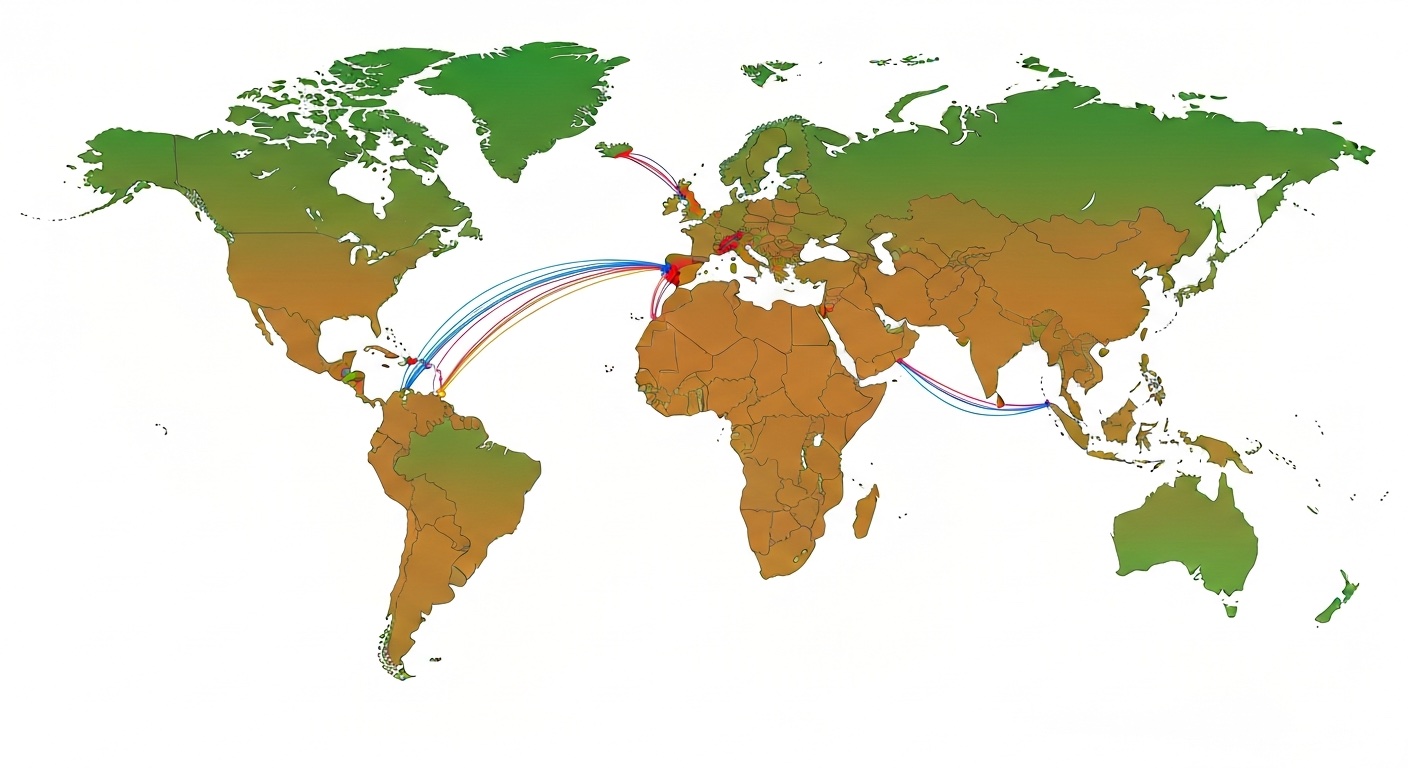
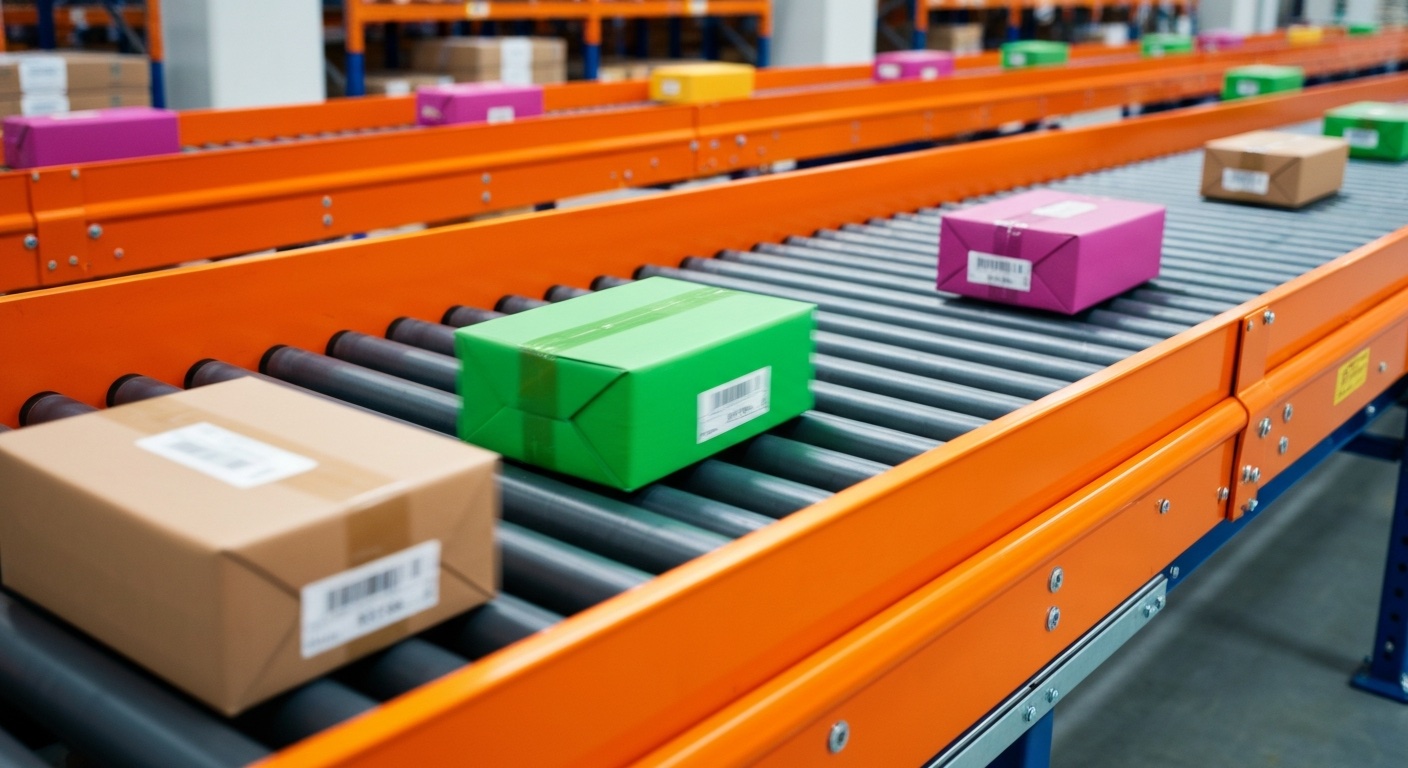
In the Shein, Temu, and TikTok Shop model, the path is: factory → platform → consumer. Full stop. The factory in Guangzhou receives the order, packages it, and the package flies to Brazil, the US, or Europe. In many cases, the goods arrive in 7 to 12 days.
This logistics chain is possible thanks to agreements with carriers like Cainiao (from Alibaba, used by Temu), Shein's own logistics network, and distribution hubs in China optimized for cross-border e-commerce. Guangzhou and Shenzhen have entire warehouses dedicated to packaging and shipping parcels worldwide.
Another factor: until recently, international purchases below $50 entered Brazil without taxes. This gave Chinese platforms a massive advantage over Brazilian retailers, who pay ICMS, PIS, Cofins, and other taxes.
The impact on Brazil: Remessa Conforme and the reaction of local retail
The Brazilian retail sector was jolted. In 2023, Shein and Shopee together represented more shopping app downloads than Magazine Luiza, Americanas, and Casas Bahia combined. Brick-and-mortar retailers, especially in the clothing and accessories sector, began to feel the drop in sales.
The response came in the form of the Remessa Conforme program, launched by the federal government in August 2023. The program created rules for foreign platforms to collect taxes in advance: 17% ICMS on all purchases, and from 2024, an additional 20% import tax on purchases above $3 (previously exempt up to $50).
Shein quickly joined the program — partly because it needed a good relationship with the Brazilian government to facilitate its IPO plans. Temu also joined. In practice, prices for Brazilian consumers rose by 25% to 40%. A dress that cost R$30 on Shein became R$40-42 with taxes.
Even so, prices remain competitive. A basic t-shirt that costs R$79 at Renner still sells for R$25-35 on Shein after taxes. The gap shrank, but did not disappear.
For Shopee, the aggressive arrival of Shein and Temu meant a loss of market share. The Singaporean platform, which dominated cross-border e-commerce in Brazil between 2020 and 2022, saw its growth slow as Chinese competitors invested billions in marketing and subsidies.
The employment issue is more complex. On one hand, Chinese platforms create jobs in logistics and customer service in Brazil — Shein opened an office in São Paulo and sponsors local fashion events. On the other hand, the competitive pressure (even after taxation) squeezes Brazilian garment manufacturers that employ thousands of seamstresses, especially in São Paulo's Brás district and textile hubs in the Northeast.
The supply chain: from Guangzhou to the world in a week
Guangzhou is the heart of it all. The city of 18 million inhabitants in southern China concentrates most of the country's textile production — and, by extension, the world's. The Haizhu district, where Shein's offices are located, houses thousands of small factories that produce exclusively for e-commerce platforms.
The process works like this: the platform detects a trend (through search data, social networks, or internal algorithms), sends the specification to the factory, which produces a sample in 3 days and a pilot batch in 5 to 7 days. If the product sells online, production scales in 48 hours. If it doesn't sell, the line switches to the next item.
This "test and scale" cycle is radically different from traditional retail, where brands make bets months in advance and end up with unsold inventory. At Shein, average inventory turns over in less than 40 days. At Zara, the fast fashion benchmark, it's 60 to 80 days.
Delivery logistics have also evolved. Direct cargo flights from Guangzhou and Shenzhen to São Paulo, via Nairobi or Dubai, reduced delivery time from 30-45 days to 7-15 days. Shein has operated distribution centers in Brazil since 2023, and in some states can deliver in less than a week.
Controversies: labor, environment, and data
The rapid growth of these platforms comes with significant shadows.
Working conditions. Investigations by Channel 4 (UK) and Public Eye (Switzerland) documented Shein suppliers in Guangzhou with 18-hour shifts and wages below the local minimum. Shein responded by implementing supplier audits, but critics argue that the ultra-fast production model makes exploitation structural, not incidental.
Environmental impact. Producing thousands of new pieces per day generates massive waste. Shein produces about 6,000 new items daily. Many are bought once and discarded — the concept of "ultra-fast fashion." Remake reports estimate that Shein produces the equivalent of 150% more pieces than Zara and H&M combined.
Data and privacy. All three platforms are Chinese and subject to China's Data Security Law. Temu faced accusations (denied by the company) that its app collected excessive user data. TikTok, as is well known, faces potential banishment in the US precisely over concerns about data access by the Chinese government.
Intellectual property. Shein has accumulated lawsuits from brands accusing the platform of copying designs. In 2023, the company faced actions from Levi's, Ralph Lauren, and dozens of independent designers. Shein's defense is that it does not manufacture the products — it only connects buyers to sellers — but this line is thin when the platform dictates what will be produced.
What's next: $100 billion at stake
Chinese cross-border e-commerce is far from slowing down. Shein plans its IPO, which could happen in London in 2025 or 2026. Temu continues to expand — in 2024, it operated in more than 70 countries. TikTok Shop targets $50 billion in GMV in 2025 and expands to new markets every quarter.
For Brazil, the scenario is one of forced coexistence. Taxation through Remessa Conforme partially leveled the playing field, but Chinese factory prices remain unbeatable in categories such as clothing, accessories, cheap electronics, and household items. Brazilian retailers that want to compete must invest in the shopping experience, delivery speed, and curation — areas where Chinese platforms still have weaknesses.
In the end, the consumer decides. And 88 million active buyers on Shein, 80 million on Temu, and billions of views on TikTok Shop have already cast their vote.
This topic is closely followed by China to Watch, where we translate what happens in China before it becomes a headline. To understand how these changes affect your life, your work, and your investments, visit chinato.watch.