If you work in technology, import, or simply love gadgets, there is one place on the planet that needs to be on your radar: Huaqiangbei (华强北), in Shenzhen, southern China. It's no exaggeration to say that this neighborhood concentrates more electronics per square meter than anywhere else on Earth. There are over 38,000 businesses spread across dozens of shopping centers, all within a radius of just over a kilometer.
For those from Brazil who follow the tech market closely, Huaqiangbei is a mandatory reference. This is where components, prototypes, and products that eventually end up on shelves — and marketplaces — worldwide come from. Understanding this ecosystem is understanding how the global hardware chain truly works.
What is Huaqiangbei, anyway?
Huaqiangbei is a subdistrict of Futian, the administrative and financial center of Shenzhen, in Guangdong province. The name literally means "Huaqiang North" — a reference to the main street, Huaqiang Road, which cuts through the neighborhood from south to north for about a kilometer, starting from Shennan Road (one of the city's main avenues) to the Pavilion Hotel.
The neighborhood has earned telling nicknames: "China's Silicon Valley" and "The Silicon Valley of Hardware." Publications like Wired, Reuters, and The Guardian have covered the place extensively. And for good reason. Huaqiangbei is not just a market — it's a complete ecosystem for the manufacturing, prototyping, selling, and distribution of electronics.
The area has tree-lined streets with wide sidewalks (5 to 20 meters), three metro stations (Huaqiang Road on Line 1, Huaqiang North on Lines 2 and 7, and Huaxin on Lines 3 and 7), and a bustling pedestrian street that is the pulsating heart of commerce. It's a place designed for walking, exploring, and negotiating.
From industrial zone to the world's hardware capital
The story of Huaqiangbei mirrors Shenzhen's own transformation. In the 1980s, when Deng Xiaoping declared the city a Special Economic Zone, the area was basically a fishing village. Accelerated industrialization brought in electronics component factories, and Huaqiangbei naturally consolidated as a point of sale and distribution.
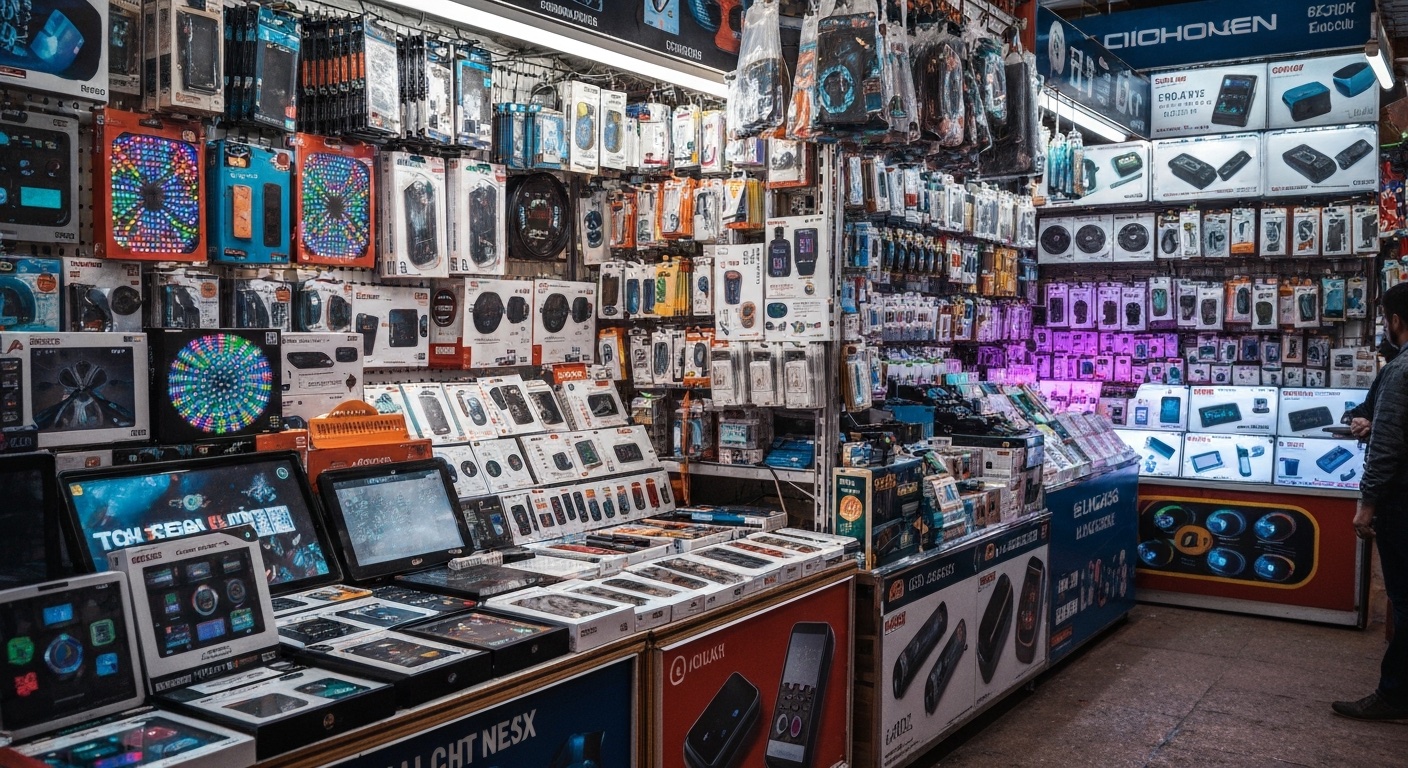
In the 1990s and 2000s, the neighborhood exploded. Shopping centers like Huaqiang Electronics World, SEG Plaza, and dozens of others were built to house thousands of specialized small merchants. Each floor, each corridor, each stall sold something different: resistors, capacitors, LCD screens, motherboards, batteries, cables, connectors — everything you need to assemble any electronic device.
At first, its reputation was for a market of cheap products and knock-offs. And yes, that phase existed. But Huaqiangbei has evolved. Today, the neighborhood is much more than a market for imitations — it's where hardware startups from all over the world go to prototype their products. It's where engineers find components that would take weeks to source anywhere else. It's where hardware innovation happens at the speed that software has known for decades.
What you can find in Huaqiangbei today
Forget the image of a giant flea market. Huaqiangbei in 2026 is a sophisticated technological ecosystem. Here's what you'll find walking the corridors of the main shopping centers:
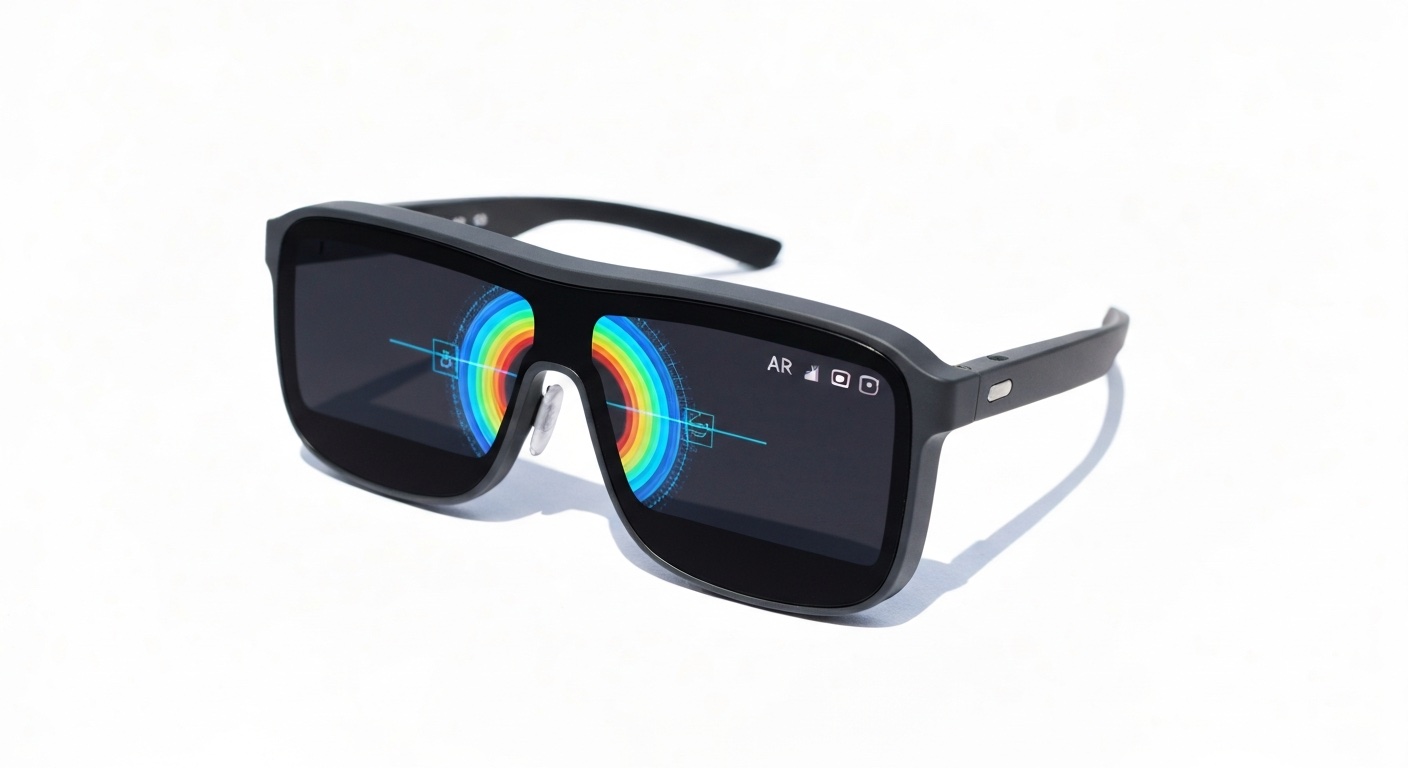
Smart glasses and AI wearables: One of the fastest-growing segments in recent years. Local manufacturers produce glasses with built-in cameras, voice assistants, and even real-time translation. Many of these products hit the global market months before Western brand versions — and for a fraction of the price.
Drones and accessories: Shenzhen is home to DJI, the world's largest drone manufacturer. But in Huaqiangbei, you'll find dozens of other smaller manufacturers, replacement parts, custom controllers, and kits to build your own drone. It's a paradise for those working with commercial or hobbyist drones.
IoT devices: Temperature, humidity, motion, and air quality sensors, Wi-Fi, Bluetooth, LoRa, Zigbee modules — all available in absurd quantities and varieties. If you're developing an Internet of Things project, Huaqiangbei is where you find the exact component you need, negotiate the price, and leave with samples on the same day.
Smartphones and tablets: They are still a strong presence. From devices of well-known brands to models from smaller manufacturers aimed at emerging markets. The majority of smartphones sold in China have some connection to Huaqiangbei's supply chain.
Components and modules: This is the heart of the neighborhood. Entire floors dedicated to chips, LEDs, connectors, PCBs, camera modules, batteries, screens of all sizes. Engineers and professional buyers come from all over Asia — and increasingly from the rest of the world — to supply their production lines.
Audio and accessories: Bluetooth headphones, portable speakers, microphones, professional audio equipment. The variety is so vast that you can find everything from a budget earbud to a studio setup.
The role of Huaqiangbei in the global hardware ecosystem
To understand why Huaqiangbei matters, you need to understand how hardware products are made. In the traditional model, a company designs a product in the US or Europe, orders components from various suppliers, sends it to be manufactured in China, and waits weeks or months for the result. If something goes wrong — an incompatible component, a wrong dimension — the cycle starts over.
In Huaqiangbei, that cycle is compressed to days. Need a specific component? Go to the ground floor of the building and buy it. Need to test a variation? The supplier on the floor above can deliver samples in hours. Need to manufacture a circuit board? There are dozens of PCB factories within a few kilometers. Want to do a small run of 500 units? There are people who can do it.
This "radical prototyping" model attracted hardware accelerators like HAX (now called SOSV HAX), which set up in Shenzhen precisely to take advantage of the proximity to Huaqiangbei. Startups in the program can iterate prototypes at speeds that would be unthinkable elsewhere.
The book "The Essential Guide to Electronics in Shenzhen," written by hacker and engineer Andrew "Bunnie" Huang, has become a reference for makers and engineers visiting the region. Bunnie describes Huaqiangbei as a place where the hardware ecosystem works more like a bazaar — relational, based on trust, and personal contact — than a corporate supply chain.
This dynamic also means that innovation here is different from what we see in Silicon Valley. It's not based on patents and billions of dollars in R&D. It's incremental, fast, and practical. A manufacturer sees what's selling, makes an improvement, and launches it the next week. Another copies the improvement and adds a feature. The cycle repeats. The result is an iteration speed that pushes the global market forward.
The recent transformation: from electronics to cosmetics?
A 2020 Reuters report drew attention to a curious change: some of the spaces that once sold electronics were being converted into cosmetics and beauty product stores. This generated headlines about the "end" of Huaqiangbei, but the reality is more nuanced.
What happened was a natural reorganization. With the growth of e-commerce in China (Taobao, Pinduoduo, 1688.com), many buyers who used to travel to Huaqiangbei in person started ordering online. Component merchants with lower margins were pressured. At the same time, the cosmetics and beauty market grew exponentially, and the rents in Huaqiangbei — despite being high — were still competitive for this segment.
But Huaqiangbei didn't die. What happened was an evolution: the electronics businesses that survived are the most specialized, the ones that offer value that e-commerce can't replicate — on-site technical consulting, immediate samples, negotiation of custom batches, access to hard-to-find components. The market became more professional and less touristy.
Practical guide for Brazilians who want to visit
If you're planning a trip to Shenzhen — whether for importing, product development, or pure curiosity — here's a direct guide:
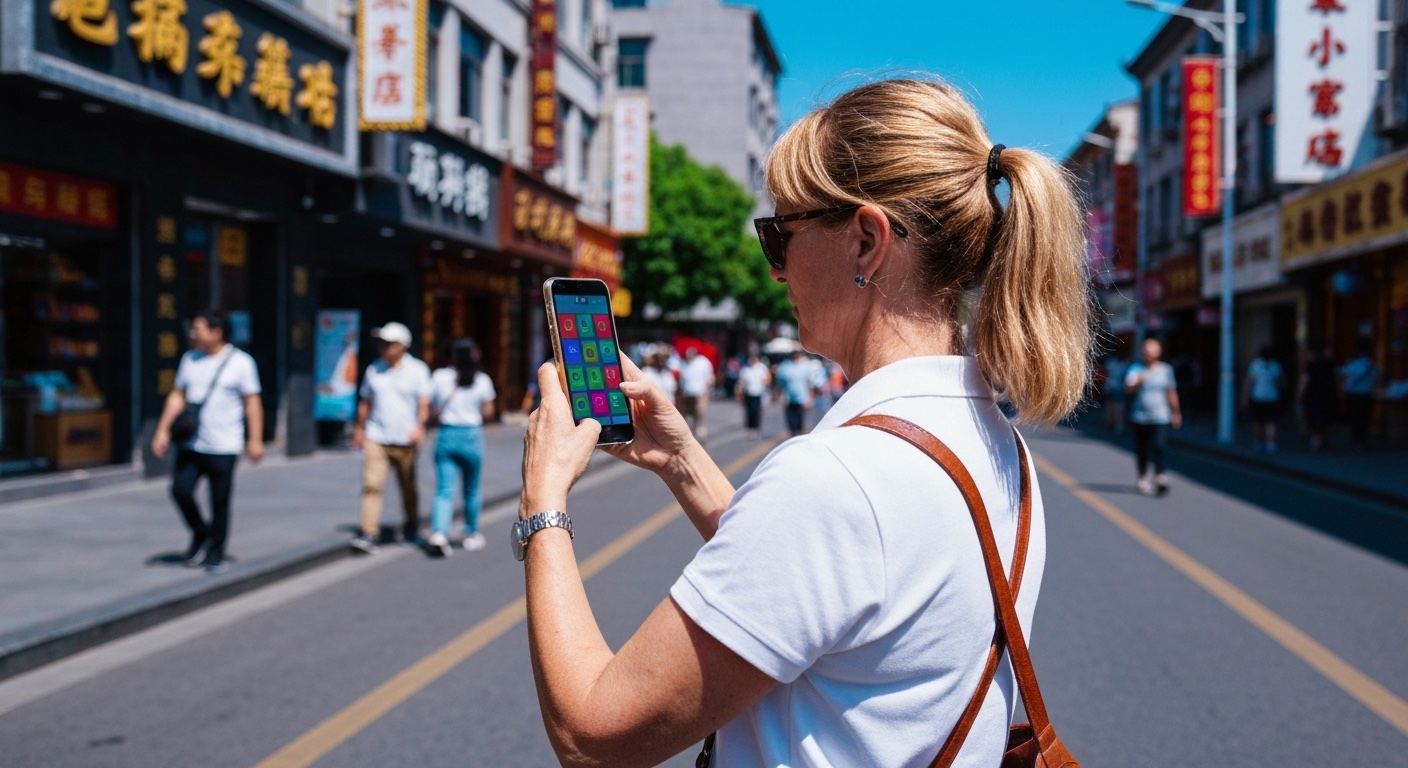
How to get there: The most common way for Brazilians is to fly to Hong Kong (GRU → HKG, with connections) and then cross the border into Shenzhen. The trip from Hong Kong to Futian (where Huaqiangbei is located) takes about 30 minutes on the high-speed train. You can also use the Hong Kong MTR to the Lo Wu or Futian station and cross the border on foot. You will need a Chinese visa, which can be obtained from the consulate or through the 144-hour visa-free transit policy (check the updated rules before traveling).
Where to stay: There are hotels for all budgets in the Futian area. The ideal is to stay one or two metro stations away from Huaqiangbei. The neighborhood itself has options, including the Pavilion Hotel at the far north end of the main street.
Getting around: The Shenzhen metro is excellent, cheap, and covers the entire city. The three Huaqiangbei stations (Huaqiang Road, Huaqiang North, and Huaxin) provide access to different parts of the market. DiDi (the "Chinese Uber") works well, but traffic in the center of Huaqiangbei can be complicated — go on foot.
Language: Basic English works in many shops, especially those dealing with foreign buyers. But having WeChat installed with a translator is almost mandatory. Many business deals are closed on WeChat, including payments via WeChat Pay. Consider activating international card payment in the app before you arrive.
Money: Almost everything in Shenzhen is paid for via WeChat Pay or Alipay. Cash is accepted, but you'll draw attention. International credit cards are not accepted in most Huaqiangbei stores. The tip is to load one of these digital wallets or carry yuan in cash as a backup.
What to visit first: Start with SEG Plaza, the neighborhood's most iconic building — it has several floors of electronic components. Then explore Huaqiang Electronics World. Go up and down the floors without rushing. Each floor has a specialty. Reserve at least two full days just for Huaqiangbei if you want to really explore.
Negotiation: Haggling is part of the culture. Initial prices for foreigners are often inflated. Ask for prices for larger quantities even if you're going to buy little — this signals that you are a serious buyer and prices will drop. Bring business cards, even improvised ones, to project a professional image.
Precautions: As in any major market in the world, be mindful of your belongings. Check the quality of the products before paying, especially electronic components — ask to test them. And always negotiate terms for returns or exchanges before finalizing.
Why Huaqiangbei matters for Brazil
Brazil is one of the world's largest consumer electronics markets, but most of our supply chain depends — directly or indirectly — on the Shenzhen ecosystem. The gadgets we buy in Santa Ifigênia, the components that arrive through direct importation, the products from marketplaces — a large part of this passes through Huaqiangbei at some point in the chain.
For Brazilian entrepreneurs who want to create hardware products, understanding Huaqiangbei is not optional. It's the difference between spending months and thousands of dollars trying to prototype something in Brazil and achieving the same result in days, for a fraction of the cost, with access to suppliers that have been operating at this scale for decades.
For importers, knowing Huaqiangbei personally changes the game. Getting out of dependence on Alibaba intermediaries and establishing direct relationships with suppliers can reduce costs by 30-50% and provide access to products that haven't even appeared in online catalogs yet.
And for those who follow technology and want to understand where the market is heading, Huaqiangbei is a thermometer. The products that appear in the stalls there today will be on crowdfunding sites in three months and in Brazilian stores in a year. Those who pay attention to this market get ahead.
Conclusion
Huaqiangbei is not just a market. It's a phenomenon that explains how China became the world's factory for electronics, and how Shenzhen transformed into one of the planet's most innovative cities in less than four decades. For Brazilians who work in technology, importation, or hardware, knowing this place — even from a distance — is essential.
Here at chinato.watch, we closely follow what happens in Shenzhen and the Chinese tech ecosystem. If you want to understand the China that builds the future, you're in the right place. Follow our publications and stay on top of what really matters in the Chinese technology market.